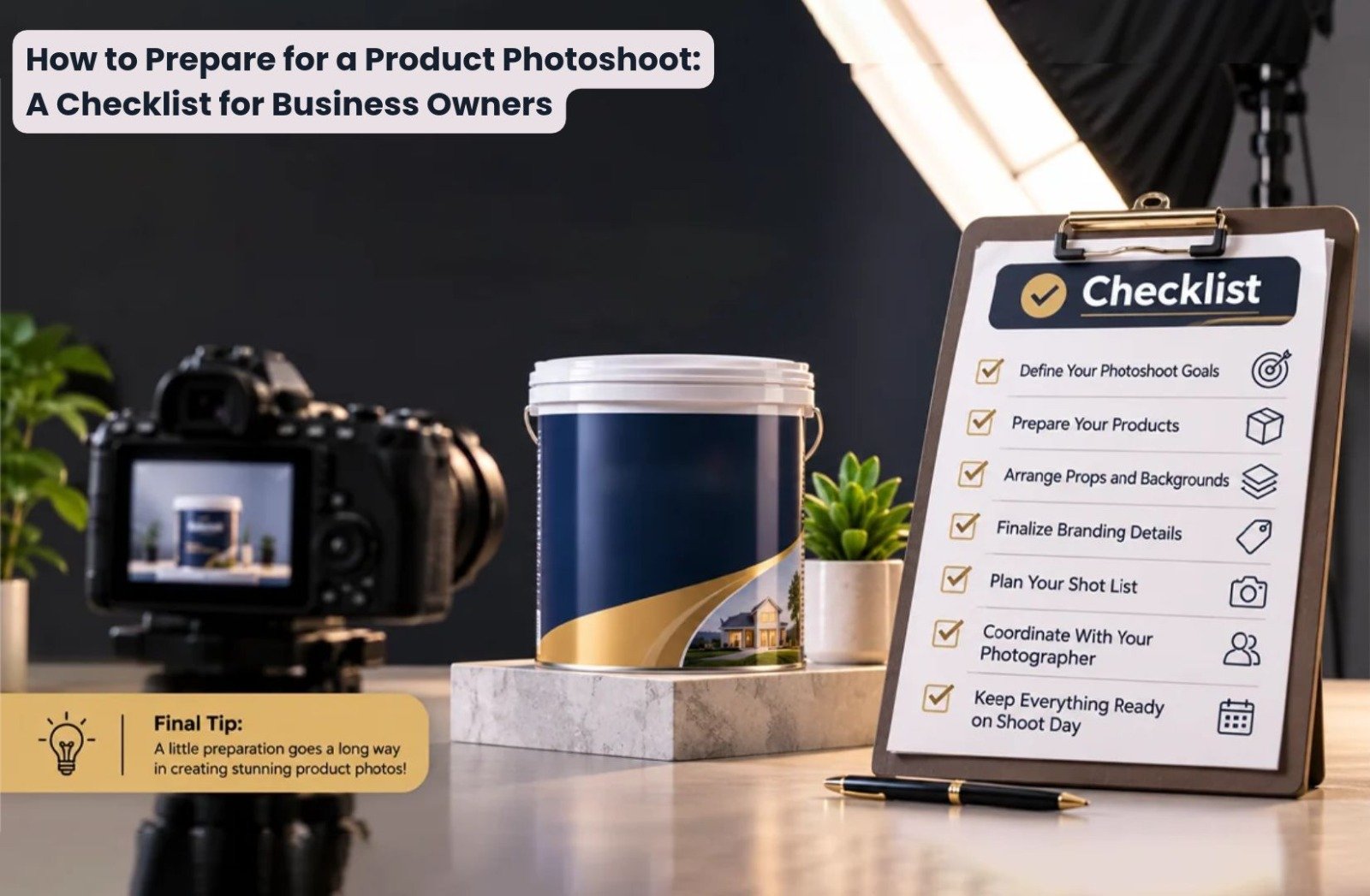
In today’s competitive digital marketplace, high-quality product photography plays an important role in attracting customers, building brand credibility, and increasing sales. Whether you operate an e-commerce store, a retail business, a fashion brand, or a product-based company, professional product images help customers understand what you offer and make confident purchasing decisions.
Before a customer reads your product description or explores your website, the first thing they often notice is the product image. Clear, attractive, and professionally captured photographs can create a strong first impression and encourage potential buyers to learn more about your products.
However, achieving excellent product photography requires more than simply placing an item in front of a camera. Proper planning, product preparation, lighting, styling, background selection, and creative direction all contribute to the final result.
For business owners looking for professional photography services in Panchkula, Chandigarh, or Mohali, understanding the preparation process can make a significant difference in the quality and effectiveness of a photoshoot.
At RaGa Advertisers, Panchkula, we understand how professional photography supports branding, digital marketing, and business growth. This guide explains how to prepare for a successful product photoshoot with a practical checklist that business owners can follow.
Check how your brand’s visual identity can improve.
1. Define the Purpose of Your Product Photoshoot
Before arranging a photoshoot, identify why you need product photographs. Having a clear objective helps determine the photography style, creative direction, lighting setup, backgrounds, and final image requirements.
Different marketing platforms require different types of product photography.
For example:
- E-commerce websites: Clean product images with neutral backgrounds that highlight product details.
- Social media platforms: Creative and visually engaging photographs suitable for Instagram, Facebook, and promotional campaigns.
- Digital advertisements: Attractive product images designed to capture attention and communicate a clear message.
- Product catalogues: Consistent photographs showing products from multiple angles.
- Website banners: High-quality lifestyle images that communicate brand identity.
- Brochures and promotional materials: Professionally styled images that support marketing communication.
Before the shoot, prepare a list of where each photograph will be used. This helps the photographer understand the business requirements and capture suitable images.
2. Prepare and Finalise Your Products
Product preparation is one of the most important steps before a photoshoot. Even professional photography equipment cannot completely compensate for products that are damaged, dirty, or poorly presented.
Every product should be carefully inspected before the photography session.
Your preparation checklist should include:
- Clean every product properly.
- Remove dust, fingerprints, and unnecessary marks.
- Check packaging for scratches or damage.
- Remove unwanted stickers and price tags where appropriate.
- Ensure labels and branding are correctly positioned.
- Check product colours and finishes.
- Arrange products according to size, colour, and category.
- Keep additional product samples available if required.
For clothing and fashion products, ensure garments are properly ironed and free from wrinkles. For furniture and home décor products, clean visible surfaces and arrange accessories neatly.
For cosmetics and skincare products, check packaging, caps, labels, and containers to ensure everything looks presentable.
A well-prepared product creates a more professional appearance and reduces the need for unnecessary corrections during editing.
Get expert guidance for better product visuals.
3. Create a Detailed Photoshoot Checklist
A product photoshoot involves several activities, and managing everything without a checklist can lead to missed shots or unnecessary delays.
Prepare a detailed list of all products, angles, and creative requirements before the photography date.
Your checklist should include:
| Preparation Area | What to Check |
|---|---|
| Product Selection | Finalise products for photography |
| Product Condition | Check cleanliness and packaging |
| Branding | Verify logos, labels, and colours |
| Photography Style | Select creative direction |
| Background | Finalise suitable backgrounds |
| Lighting | Discuss lighting requirements |
| Angles | List required product views |
| Props | Arrange supporting accessories |
| Platforms | Identify where images will be used |
| Deliverables | Confirm image quantity and formats |
Sharing this checklist with your photographer helps everyone understand the expectations and ensures a more organised photoshoot.
4. Select the Right Photography Style
Every business has a different visual identity. The photography style should reflect your brand personality, target audience, and product category.
Selecting the right style helps maintain consistency across your website, social media profiles, advertisements, and marketing materials.
Some popular product photography styles include:
White Background Photography
White background photography is widely used for e-commerce websites and online product listings. It removes unnecessary distractions and keeps the focus entirely on the product.
This style is particularly suitable for electronics, cosmetics, accessories, clothing, and household products.
Lifestyle Product Photography
Lifestyle photography presents products in real-life situations. Instead of showing an item against a plain background, the photographer captures how customers might use or experience it.
For example, a furniture brand can showcase a sofa in a beautifully designed living room, while a skincare brand can photograph its products as part of a daily skincare routine.
Creative Product Photography
Creative photography uses attractive backgrounds, props, colours, textures, and unique compositions to make products visually interesting.
This style is useful for social media campaigns, brand promotions, and advertising creatives.
Detail and Close-Up Photography
Close-up photography highlights important product features such as textures, stitching, packaging details, materials, and finishes.
It is especially valuable for jewellery, watches, fashion accessories, cosmetics, and premium products.
Before the photoshoot, discuss these styles with your photography team and decide which approach best supports your marketing objectives.
5. Choose the Right Background and Props
Backgrounds and props play an important role in product presentation. They help establish the visual atmosphere of an image while ensuring that the product remains the main attraction.
The background should complement the product rather than compete with it.
For example:
- White backgrounds work well for clean e-commerce product images.
- Neutral backgrounds create a premium and minimal appearance.
- Wooden textures can complement furniture and handmade products.
- Colourful backgrounds can support fashion and lifestyle campaigns.
- Natural elements can enhance skincare, wellness, and organic product photography.
Props should be selected carefully. Adding too many accessories can distract customers from the actual product.
For example, a coffee brand may use coffee beans, cups, and wooden surfaces to create an appealing composition. A jewellery brand may use elegant fabric, decorative stands, and minimal accessories.
If you are planning a product photoshoot in Panchkula, Chandigarh, or Mohali, consider how your photography style will connect with your local target audience while maintaining a consistent brand identity.
Discover creative ideas for professional product shoots.
6. Prepare a Shot List for Every Product
A shot list is a detailed record of all photographs required during the photoshoot.
Without a proper shot list, important product angles or features may be missed. This can create problems later when uploading products to websites, creating advertisements, or designing promotional materials.
A standard product shot list may include:
- Front-facing product photograph.
- Back-side product photograph.
- Left and right side views.
- Close-up photographs of important features.
- Packaging photographs.
- Product photographs showing dimensions or scale.
- Lifestyle photographs.
- Product photographs with accessories.
- Multiple product combinations.
- Creative promotional photographs.
For example, if you are photographing a handbag, customers may want to see its front design, back side, handles, internal compartments, material, and overall size.
Capturing these details gives customers a better understanding of the product and can reduce uncertainty during online shopping.
7. Pay Attention to Lighting Arrangements
Lighting is one of the most important elements of professional product photography. Proper lighting highlights product details, creates depth, and ensures that colours appear accurate.
Poor lighting can make even an expensive product look unattractive.
There are two commonly used lighting approaches.
Natural Lighting
Natural light can create soft and realistic product photographs. It is useful for lifestyle photography, food photography, fashion products, and home décor.
However, natural lighting can change depending on weather conditions and the time of day.
Studio Lighting
Studio lighting provides greater control over brightness, shadows, reflections, and highlights.
Professional photographers use different lighting equipment depending on the product and desired photography style.
For reflective products such as glass, metal, jewellery, and glossy packaging, lighting needs careful positioning to avoid unwanted reflections.
Before the photoshoot, discuss lighting requirements with your photographer, especially if your products have reflective surfaces, transparent packaging, or complex textures.
8. Maintain Consistent Brand Identity
Product photography should not look disconnected from your overall brand identity.
Every photograph used across your website, social media accounts, advertisements, and catalogues should communicate a consistent visual message.
Before the photoshoot, consider the following brand elements:
- Brand colours.
- Logo placement.
- Preferred backgrounds.
- Photography style.
- Visual tone and mood.
- Product presentation.
- Target audience expectations.
For example, a luxury brand may prefer elegant backgrounds, controlled lighting, and minimal styling. A young fashion brand may choose colourful compositions and energetic creative concepts.
Consistency makes your brand easier to recognise and helps establish a professional image.
Businesses investing in professional photography services in Chandigarh should consider photography as part of their overall branding strategy rather than treating it as an isolated activity.
Explore photography and branding opportunities.
9. Plan Product Styling and Presentation
Product styling refers to the way products are arranged and presented before the camera.
Good styling makes photographs visually attractive and helps communicate the product’s value.
Depending on your business category, styling may involve:
- Arranging products in attractive compositions.
- Selecting suitable accessories.
- Matching colours and textures.
- Maintaining symmetry and balance.
- Creating lifestyle arrangements.
- Highlighting important product features.
- Maintaining appropriate spacing between products.
For fashion photography, garments should fit properly and be presented without wrinkles. For food photography, the presentation should look fresh and appealing. For furniture photography, the surrounding space should complement the product’s design.
A professional product photographer can guide you on styling requirements and suggest suitable arrangements.
10. Select the Right Photography Equipment and Setup
Professional photography requires suitable equipment to capture products clearly and accurately.
Depending on the photography requirements, the setup may include:
- Professional DSLR or mirrorless cameras.
- Suitable lenses.
- Tripods and camera supports.
- Studio lighting equipment.
- Reflectors and diffusers.
- Softboxes.
- Background stands.
- Product display tables.
- Light tents for smaller products.
Different products require different camera and lighting arrangements.
For example, jewellery photography requires careful focus and controlled lighting to capture small details. Furniture photography may require wider compositions to show the complete product and its surroundings.
The equipment should support the desired image quality, product dimensions, and photography style.
11. Coordinate with the Photography Team
Clear communication between the business owner and photography team is essential for achieving the expected results.
Before the shoot, share all important details, including product information, brand guidelines, creative references, and image requirements.
Discuss the following points:
- Number of products to be photographed.
- Number of images required per product.
- Photography styles and references.
- Background and styling preferences.
- Expected shoot duration.
- Editing requirements.
- Final image formats.
- Delivery timelines.
If you have specific visual references, share them before the session. This helps the photography team understand your expectations.
Businesses looking for professional photography services in Mohali should prioritise working with a team that understands both product presentation and commercial marketing requirements.
12. Prepare Your Products According to Their Category
Different products require different preparation methods. Understanding these requirements can improve the final photography results.
Fashion and Apparel
- Iron all clothing items.
- Check stitching and fabric condition.
- Arrange products by size and colour.
- Prepare suitable accessories.
- Select models or mannequins if required.
- Ensure proper fitting and styling.
Jewellery and Accessories
- Clean every item carefully.
- Remove fingerprints and dust.
- Check clasps, stones, and finishing.
- Prepare suitable display stands.
- Capture close-up photographs of important details.
Cosmetics and Skincare
- Clean product packaging.
- Ensure labels face the camera.
- Check caps and containers.
- Prepare complementary props.
- Capture product texture and packaging details where appropriate.
Food and Beverage
- Prepare fresh ingredients.
- Select attractive serving arrangements.
- Clean plates, glasses, and surfaces.
- Plan suitable backgrounds.
- Coordinate photography timing with food preparation.
Furniture and Home Décor
- Clean all surfaces.
- Remove unnecessary objects.
- Arrange products in a suitable environment.
- Check lighting and shadows.
- Capture wide-angle and close-up photographs.
Category-specific preparation ensures that every product is presented in the most suitable way.
13. Understand the Importance of Image Editing
Photography does not always end when the camera stops capturing images. Professional image editing helps refine the final photographs and prepare them for different marketing platforms.
Editing may include:
- Colour correction.
- Brightness and contrast adjustments.
- Background cleanup.
- Dust and minor mark removal.
- Cropping and resizing.
- Shadow correction.
- Image sharpening.
- Consistency adjustments.
However, editing should maintain the actual appearance of the product. Excessive editing can create unrealistic expectations and reduce customer trust.
For e-commerce businesses, accurate product colours and realistic details are particularly important.
Before final delivery, discuss the editing style and the number of revised images included in the photography package.
Discuss your product photography requirements with experts.
14. Prepare Images for Different Digital Platforms
A successful product photoshoot should produce images that can be used across multiple marketing channels.
Different platforms have different image requirements, dimensions, and display formats.
Consider these common uses:
| Platform | Photography Requirement |
|---|---|
| Website | High-quality product and lifestyle images |
| Square, portrait, and creative compositions | |
| Promotional and campaign images | |
| Google Business Profile | Business and product-related photographs |
| E-commerce Marketplaces | Clear product images with suitable backgrounds |
| Digital Advertisements | Attention-grabbing promotional visuals |
| Brochures | High-resolution images for print |
Ask your photography team to provide suitable image formats and dimensions according to your requirements.
Also, ensure that image files are properly organised so your marketing team can easily locate and use them.
15. Plan Your Photoshoot Budget and Timeline
A professional product photoshoot requires proper budgeting and scheduling.
The final cost may depend on the number of products, photography style, equipment, location, styling, models, editing requirements, and overall project complexity.
Before confirming the shoot, discuss:
- Photography charges.
- Number of products included.
- Number of final edited photographs.
- Studio or location requirements.
- Styling and prop expenses.
- Additional equipment requirements.
- Editing and retouching charges.
- Delivery timelines.
It is also important to prepare a realistic schedule.
Ensure that products are ready before the shoot date, all required accessories are available, and the photography team has enough time to capture the planned images.
Proper scheduling reduces last-minute changes and helps maintain the quality of the final output.
16. Review the Final Photographs Before Approval
Once the photoshoot and editing are complete, review every image carefully before approving the final delivery.
Check whether:
- Product colours look accurate.
- Important details are clearly visible.
- Images are properly focused.
- Backgrounds are clean.
- Lighting is consistent.
- Brand logos are visible where required.
- Product proportions look natural.
- Images meet platform requirements.
- No unwanted objects appear in the frame.
If any image does not meet your expectations, communicate the required corrections clearly.
A proper review process ensures that your final photographs are ready for professional use across digital and print marketing channels.
17. Use Professional Product Photography to Strengthen Your Marketing Strategy
Product photography should be considered an important part of your overall marketing strategy.
High-quality visuals can support different business activities, including website development, social media marketing, online advertising, product launches, and brand promotion.
Here are some ways businesses can use professionally captured product photographs:
Website Development: Attractive product images improve website presentation and help visitors understand your offerings.
Social Media Marketing: Creative photographs provide engaging visual content for Instagram, Facebook, and other social platforms.
Digital Advertising: Professional product images can make promotional campaigns more visually appealing.
E-commerce Marketing: Clear product photographs help customers evaluate products before purchasing.
Brand Building: Consistent visual presentation helps businesses establish a recognisable brand identity.
For businesses operating in Panchkula, Chandigarh, and Mohali, combining professional photography with SEO, social media marketing, and digital advertising can create a more consistent online presence.
Common Product Photoshoot Mistakes Business Owners Should Avoid
Even with proper planning, some mistakes can affect the final photography results.
Here are some common issues to avoid:
- Not Preparing Products in Advance
Unclean packaging, damaged products, and wrinkles can negatively affect the final photographs.
- Using Inconsistent Backgrounds
Changing backgrounds without a clear visual direction can make product catalogues look disconnected.
- Ignoring Product Details
Customers often want to see important features, textures, and product dimensions. Missing close-up shots can leave important information unclear.
- Overusing Props
Too many decorative elements can distract viewers from the product.
- Poor Lighting Arrangements
Uneven lighting and unwanted shadows can affect the appearance of products.
- Not Creating a Shot List
Without a clear shot list, important photographs may be missed.
- Ignoring Image Requirements
Using incorrectly sized or low-quality images can affect website presentation and advertising creatives.
- Excessive Image Editing
Over-editing may make products look different from their actual appearance, potentially affecting customer expectations.
Avoiding these mistakes can make your photoshoot more organised and improve the quality of your final images.
Final Product Photoshoot Checklist for Business Owners
Before your next product photoshoot, use this checklist to ensure everything is ready.
- Finalise the objective of the photoshoot.
- Select all products for photography.
- Clean and inspect every product.
- Check packaging, labels, and branding.
- Finalise photography styles.
- Select backgrounds and props.
- Prepare a detailed shot list.
- Discuss lighting and equipment.
- Arrange styling requirements.
- Share brand guidelines with the photographer.
- Confirm the photoshoot schedule.
- Discuss editing and retouching requirements.
- Confirm image formats and dimensions.
- Review final photographs before approval.
Following this checklist can help business owners save time, reduce unnecessary expenses, and achieve better results from their product photography investment.
Get ideas to strengthen your online product presentation.
Conclusion
A successful product photoshoot begins long before the camera starts capturing images. From selecting the right products and preparing backgrounds to planning lighting, styling, and editing, every step contributes to the final outcome.
For business owners, professional product photography is more than a visual requirement. It is an important investment in brand identity, customer engagement, website presentation, and digital marketing.
Whether you are launching a new product, updating your e-commerce catalogue, or creating content for social media campaigns, proper preparation can help you achieve professional and consistent results.
If your business is looking for professional photography services in Panchkula, Chandigarh, or Mohali, RaGa Advertisers can help you strengthen your brand’s visual presentation through creative photography and digital marketing solutions.
At RaGa Advertisers, Panchkula, we focus on helping businesses build a stronger digital presence through professional photography, branding, website development, SEO, and digital marketing strategies.
Prepare your products, plan your creative direction, and make every photograph count.
Frequently Asked Questions (FAQs)
1. Why is product photography important for businesses?
Product photography helps businesses present their products professionally, attract potential customers, communicate product details, and build brand credibility. High-quality images also support website presentation, e-commerce listings, and digital advertising campaigns.
2. How should I prepare my products before a photoshoot?
Clean every product, remove dust and fingerprints, check packaging, arrange products properly, and ensure that labels and branding are correctly positioned. Keep additional samples and accessories available if required.
3. Which photography style is best for product photography?
The best photography style depends on your product category and marketing objectives. White background photography works well for e-commerce, while lifestyle and creative photography are useful for social media and promotional campaigns.
4. How many photographs should be captured for each product?
The number depends on product complexity and platform requirements. Generally, businesses should consider capturing front, back, side, close-up, packaging, and lifestyle photographs where relevant.
5. Do product photographs require professional editing?
Professional editing helps improve brightness, colour accuracy, background presentation, and image consistency. However, editing should maintain the actual appearance of the product.
6. Can product photography improve e-commerce sales?
High-quality product photographs can improve product presentation, help customers understand product features, and build confidence when shopping online. They support the buying decision, although sales also depend on pricing, product quality, website experience, and marketing.
7. What should I look for when choosing a product photography company?
Consider the photographer’s portfolio, experience, equipment, photography styles, editing capabilities, communication, and ability to understand your brand requirements.
8. Where can I find professional photography services in Panchkula, Chandigarh, or Mohali?
Businesses can explore professional photography agencies in the Tricity region that understand commercial photography, product presentation, and digital marketing requirements. RaGa Advertisers, Panchkula, offers creative and digital solutions to help businesses strengthen their visual identity and online presence